

Key Takeaways for Construction Workers Hurt on the Job
- In Texas, private employers can choose not to carry workers’ compensation insurance.
- You may have the right to file a personal injury lawsuit against a negligent third party, such as a general contractor, a subcontractor, or an equipment manufacturer, even if you receive workers’ comp benefits.
- A personal injury lawsuit can allow you to seek compensation for damages not covered by workers’ compensation, including pain and suffering and full lost earning capacity.
- Documenting everything related to your accident and injuries, including medical treatments and communications, provides critical evidence for your case.
- In Texas, strict deadlines apply for filing workers’ compensation claims and personal injury lawsuits, so you must act quickly to protect your rights.
Understanding Your Legal Options After a Work Injury
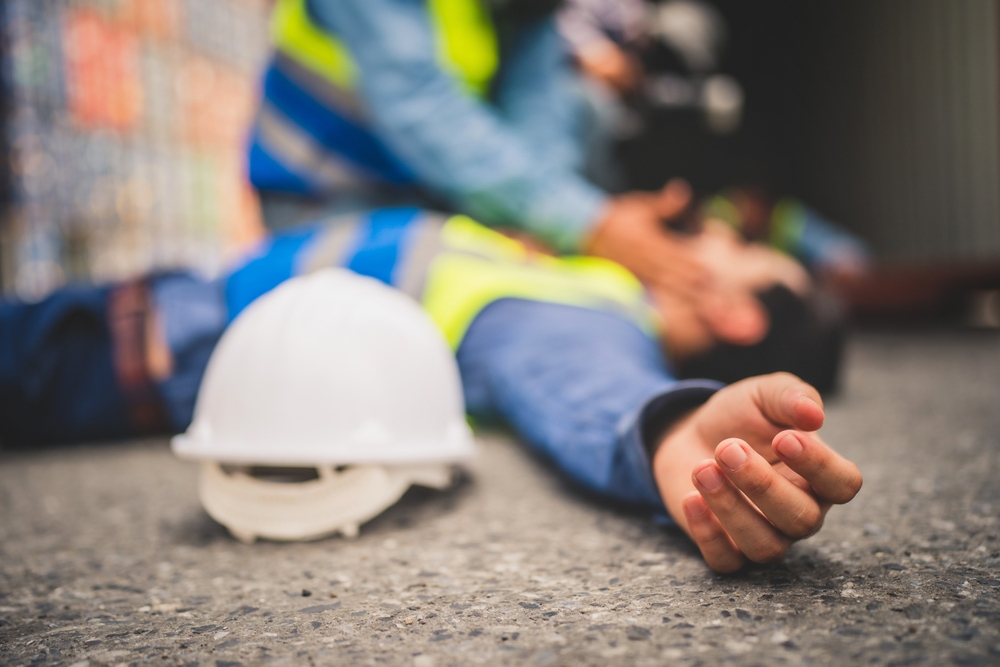
When you’re injured, your primary focus should be on healing. The financial strain, however, adds a layer of complexity. A personal injury lawyer can explain your legal pathways and help you make decisions that protect your family’s future.
Texas Workers’ Compensation
Texas law allows private employers to decide whether to subscribe to the state’s workers’ compensation system. If your employer is a subscriber, you generally cannot sue them directly for a work-related injury. Instead, you file a claim for workers’ comp benefits.
These benefits provide some help, covering a portion of your lost wages and your necessary medical bills. However, this system has significant limitations and doesn’t compensate you for all your losses.
Pursuing a Lawsuit Against a Non-Subscriber
Many construction companies in Texas are non-subscribers, meaning they don’t have workers’ compensation insurance. If your employer is a non-subscriber, you retain the right to file a personal injury lawsuit directly against them for negligence.
This opens the door to pursuing the full range of compensation for your injuries, but you must prove that your employer’s negligence caused your injuries. For example, they may have failed to provide proper safety equipment or a safe working environment.
A construction accident attorney helps gather the evidence to build a strong claim against a non-subscribing employer.
Who Is Responsible When a Construction Worker Gets Hurt on the Job?
One of the most complex questions to answer when a construction worker gets hurt on the job is identifying all responsible parties. Construction sites are dynamic environments with many different companies and individuals working together, and negligence can come from multiple sources.
Third-Party Liability Claims
Even if your employer has workers’ compensation, you may still be able to file a separate personal injury lawsuit against a negligent third party. A third party is any person or company, other than your direct employer, whose actions contributed to your injury.
Pursuing a third-party claim doesn’t prevent you from receiving workers’ comp benefits.
Common third parties on a construction site include:
- General Contractors: The general contractor has a duty to maintain a reasonably safe worksite for everyone, including the employees of subcontractors.
- Subcontractors: Another subcontractor’s employee could create a hazard that causes your injury, making that company liable for its worker’s negligence.
- Property Owners: The owner of the property where the construction is taking place has a responsibility to address known hazards or warn workers about them.
- Engineers and Architects: If a design flaw in the building plans leads to a structural failure or a dangerous condition, the responsible firm may be held liable.
- Defective Products and Equipment: Tools, heavy equipment, scaffolding, or safety gear can fail due to manufacturing or design defects. When this happens, the manufacturer or distributor of the defective equipment may be liable.
Determining all potential sources of liability helps maximize your recovery. A thorough investigation can uncover negligence that may not be immediately obvious.
Common Examples of Construction Site Negligence
Negligence means that another party failed to use reasonable care, and that failure led directly to your injuries. This can take many forms on Corpus Christi construction sites.
Common examples include:
- Inadequate Safety Measures: A general contractor fails to implement proper safety protocols, such as fall protection systems, leading to a serious fall.
- Poor Training: An employer puts an untrained worker in charge of operating heavy machinery, resulting in a collision or other accident.
- Unsafe Premises: A property owner neglects to clean up a known chemical spill or fix a known electrical hazard on the site.
- Faulty Equipment: A subcontractor continues to use a crane that hasn’t been properly inspected or maintained, causing it to collapse.
- Lack of Communication: Multiple crews work in the same area without proper coordination, leading to one team creating a hazard for another.
- Traffic Control Failures: Insufficient signage or flaggers at a roadside construction zone leads to a worker being struck by a vehicle.
Proving that one or more of these forms of negligence occurred is necessary for a successful third-party lawsuit or a claim against a non-subscribing employer. It requires collecting evidence, interviewing witnesses, and building a compelling case.
What Kind of Compensation Can I Receive for a Construction Accident?
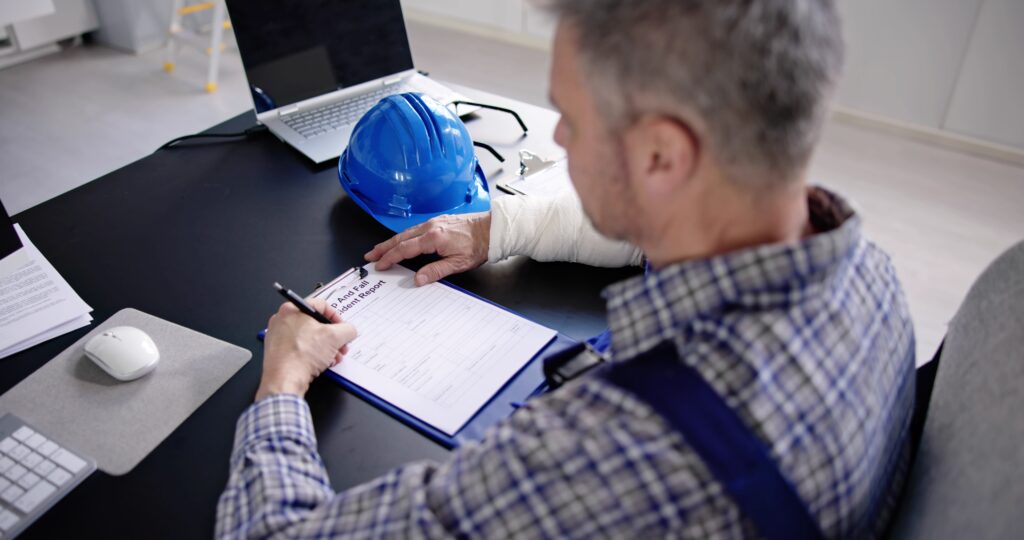
If you’re pursuing a personal injury lawsuit, you may seek damages that go far beyond what workers’ comp provides. These damages address all of the ways that your injury has affected your life.
Economic Damages
Economic damages are the direct financial losses you experienced because of the injury. They’re real costs that you can calculate and prove with documentation like bills and pay stubs. These losses often form the baseline of a personal injury claim.
Your claim may include compensation for:
- Medical Expenses: This covers all costs related to your treatment, including hospital stays, surgeries, physical therapy, medication, and future medical care.
- Lost Wages: You may recover the income you lost while you were unable to work during your recovery period.
- Loss of Earning Capacity: If your injuries stop you from returning to your previous job or limit your ability to earn a living in the future, you may seek damages for this diminished capacity.
- Property Damage: This applies if any of your personal property, like tools or a vehicle, was damaged in the accident.
Non-Economic Damages
Non-economic damages compensate you for the intangible, personal losses you have suffered. While these harms don’t have a specific price tag, they still represent the very real human cost of a serious injury.
An experienced construction accident lawyer knows how to value these losses and fight for fair compensation.
Non-economic damages can include:
- Pain and Suffering: This compensates you for the physical pain and emotional distress caused by your injuries.
- Mental Anguish: This payment addresses the psychological impact of the accident, such as anxiety, depression, or PTSD.
- Physical Impairment: If your injury results in a long-term or permanent disability, you may pursue compensation for the loss of physical abilities.
- Disfigurement: This provides compensation for scarring or other permanent changes to your appearance.
Non-economic damages aren’t available through the Texas workers’ compensation system; they’re only recoverable through a personal injury lawsuit.
How a Lawyer Helps With Construction Accident Claims
The legal system can feel intimidating when trying to file a claim and recover from a serious construction accident. An attorney acts as your advocate, managing every aspect of your case so you can focus on your health.
Personal injury law firms have the resources and knowledge to handle the complexities of construction law.
A lawyer will support your claim by:
- Conducting a Full Investigation: Your legal team will visit the accident scene, gather physical evidence, take photographs, and interview any available witnesses to build a clear picture of what happened.
- Identifying All Liable Parties: An attorney can cut through the complex network of contracts on a job site to determine every party whose negligence may have contributed to your harm, from the general contractor to an equipment manufacturer.
- Hiring Industry Experts: Your legal team can bring in safety engineers, medical professionals, and economists who can provide expert testimony to strengthen your case and accurately calculate the full extent of your damages.
- Handling All Communications: They’ll manage all communication and negotiations with insurance companies and opposing attorneys, protecting you from tactics that devalue your claim or pressure you into a low settlement.
- Navigating Texas Law: An experienced construction accident attorney understands the state laws and regulations governing construction sites and workplace injuries, including the standards set by the Occupational Safety and Health Administration (OSHA).
- Representing You in Court: If a fair settlement cannot be reached through negotiation, your attorney will be prepared to take your case to trial and fight for your rights before a judge and jury.
By taking these steps, a lawyer works to secure the maximum compensation available for your injuries. They provide the guidance and support to challenge powerful construction companies and insurers. If you’re uncertain when to hire a lawyer, the answer is simple: the sooner you do, the stronger your case will be.
FAQ for What Happens if a Construction Worker Gets Hurt on the Job
We’ll Fight for Your Compensation

A serious injury on a construction site can change your life in an instant, leaving you with pain, uncertainty, and financial stress. You don’t have to face this fight alone. The team of personal injury lawyers at Heil Law Firm is dedicated to our community, and a portion of every case we win is given back to the Coastal Bend.
We understand what you’re going through and are ready to bring the law to your corner. Your victory is our victory, and it’s a win for the entire community.
If you were injured on a construction site, contact us for a free case consultation. Contact Heil Law Firm 24/7 at (361) 356-1277 and let us fight for you.